

Erasmus+KA1 mobility management
Student and staff mobility unpacked
October 28-30, 2026 | University of Latvia

Welcome and introduction
Erasmus+ KA1 in the European and institutional (policy) context
An overview of the strategic purpose of mobility within European higher education, including current priorities and policy developments
The evolving role of IROs: understanding tendencies, challenges, and opportunities in international higher education
Exploring how international offices are transforming: navigating digitalisation, regulatory complexity, student expectations, and evolving mobility agendas.
Foundational principles for student mobility: principles that shape quality mobility (series of interactive group activities)
An overview of ECTS principles, learning agreements, and recognition practices to support transparent, high-quality mobility aligned with Bologna commitments.
Quality mobility cycle (as student experience)
Exploring the full student mobility journey from preparation to return, focusing on how each stage contributes to a coherent and high-quality experience.
Administration of student mobility (from IRO perspective)
Looking at the operational side of student mobility from the IRO perspective, focusing on coordination, workflow management, and collaboration across institutional units.
Setting students up for successful mobility experiences
Understanding how pre-departure and post-return intercultural support strengthens learning outcomes, resilience, and student well-being. Exploring strategies to support students adapt abroad, access support services, overcome challenges, and avoid “international student bubbles.”
Practical cases and group work: analysing real-life scenarios
Hands-on exercises that simulate mobility management challenges, decision-making, and cross-team collaboration
Staff mobility opportunities and coordination
Strengthening the role of staff mobility within institutional Erasmus+ strategies, and how staff mobility can move beyond individual participation towards becoming a structured tool for organisational learning and institutional development.
Engaging internal stakeholders: working effectively with academic and administrative units
Effective collaboration approaches that ensure Erasmus programme coherence, shared understanding of responsibilities, and alignment with institutional strategies.
Navigating Erasmus+ funding (KA1): Managing complexity with confidence
Strategies to maintain efficient processes while staying aligned with long-term institutional goals and evolving mobility environment.
The green and inclusive dimension in Erasmus+ KA1: translating policy priorities into meaningful institutional actions
Translating EU priorities into realistic institutional measures - inclusiveness support and greener mobility choices.
From insights to action: Roadmap
Participants reflect on the learning, define actionable next steps, and prepare concrete commitments to enhance mobility management in their own institutions.
Closing reflections & peer exchange
Final sharing of insights and recommendations.
To ensure a smooth and high-quality experience, minor agenda changes may occur. The organisers reserve the right to adjust the programme when necessary.
Facilitators
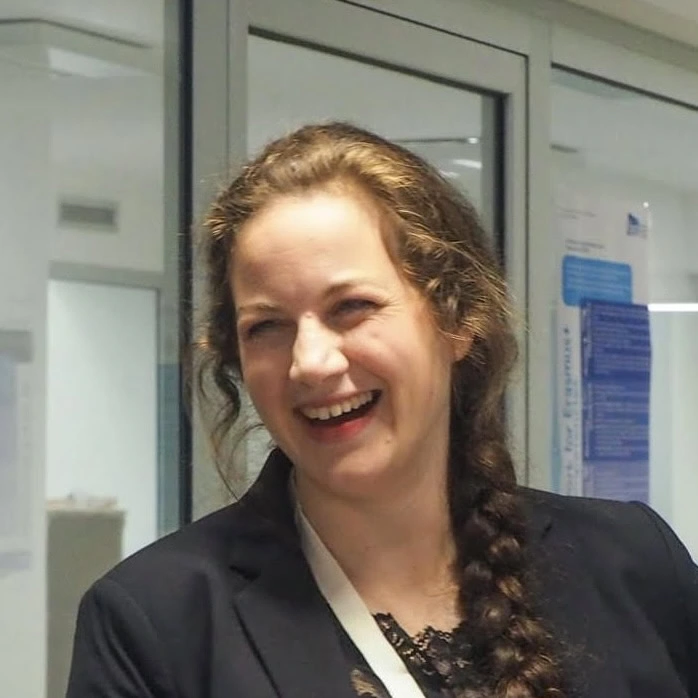
Katalin Nemeth
Kata has been working with the Erasmus+ programme since 2014 and currently serves as Head of the Department of Erasmus+ and International Programmes at ELTE. During her career, she has been directly involved in the implementation of Erasmus+ mobility projects in a variety of roles, and since 2019, she has led the team responsible for coordinating ELTE’s Erasmus+ mobility activities. Beyond institutional management, Kata is a regular speaker at national and international professional events and actively contributes to the EUF network. What continues to motivate her is that Erasmus+ creates opportunities that can genuinely shape people’s lives, careers and institutions. In this training, Kata aims to help participants navigate the complexity of Erasmus+ with confidence by providing practical guidance and sharing lessons learned from real-life implementation.

Helena Alves
Helena Alves is a Senior Policy and Research Officer at the European University Foundation. She has over 8 years of experience in the design and moderation of training activities, both in the context of Erasmus+ KA2 projects and as a Community Manager for the EIC Business Acceleration Services. As EUF Mobility Community Manager, she leads efforts to foster collaboration, organises and moderates discussions to advance mobility initiatives within the EUF community. Helena holds a Bachelor’s degree in International Relations from the University of Porto and has built extensive experience in international project coordination and event management.
Registration and participation fees
Fees include training delivery, materials, catering during the training days (lunches and coffee- breaks), and on-site social activities and logistics. Travel and accommodation costs are covered by participants.