

KA2 project implementation
Lump Sum
in Action
October 26-28, 2026 | University of Latvia

Welcome and introduction
Lump Sum financial model demystified (Part I): What Lump Sum funding model really means in Erasmus+ KA2 projects?
An introduction to the philosophy/mindset of the Lump Sum model and how it reshapes project planning and coordination.
Lump Sum financial model demystified (Part II): Shifting from cost-based to output-based thinking
Exploring the practical implications of managing by deliverables rather than invoices.
Lump Sum financial model demystified (Part III): rules, guidelines, and common misconceptions & pitfalls to avoid
An overview of contractual expectations, and what National Agencies/ EACEA really look for.
Tools that work: tested templates and project management workflows
Demonstration of effective trackers, templates, and consortium management tools used in successful Lump Sum projects.
Evidence-based reporting: What counts, what doesn’t, and how to structure internal tracking?
Insights - in collaboration with National Agencies - into evaluation criteria, expectations, red flags, and what defines strong project deliverables.
Peer exchange: practices to s쳮d
Facilitated roundtables where participants share challenges and exchange solutions.
Beyond compliance: strategic management for high-impact projects
Practical strategies for strengthening project coherence, elevating consortium performance, and maximising long-term impact beyond the minimum funding requirements.
Practical 'lab' and future outlook: key do’s and don’ts for managing Lump Sum based projects effectively and with confidence
A co-creation session where participants consolidate best practices, build a shared Lump Sum toolbox, and define next steps.
To ensure a smooth and high-quality experience, minor agenda changes may occur. The organisers reserve the right to adjust the programme when necessary.
Facilitators
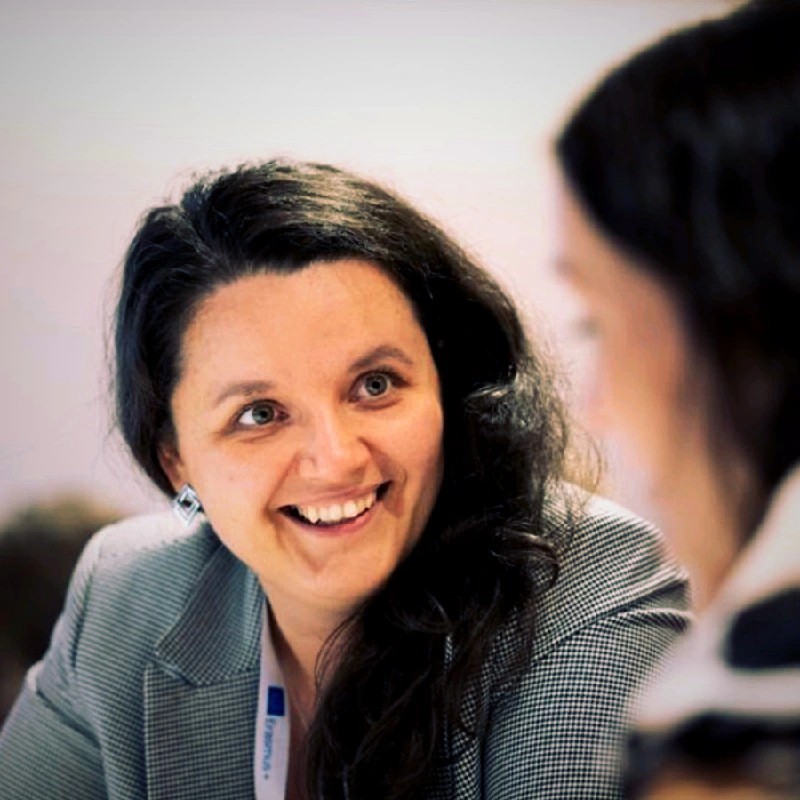
Līga Kuzmane
Since 2014 Līga has worked across the full project lifecycle of Erasmus+ KA2 projects: from proposal development and consortium building to implementation, monitoring and reporting. She currently coordinates the Project Manager and Advisor Community, connecting 600 professionals from nearly 100 universities. Over the past 10+ years, she has designed and facilitated trainings, workshops, and peer-learning spaces for higher education professionals across Europe both onsite and online.
Registration and participation fees
Fees include training delivery, materials, catering during the training days (lunches and coffee- breaks), and on-site social activities and logistics. Travel and accommodation costs are covered by participants.