

KA2 project implementation
From projects to strategy
October 28-30, 2026 | University of Latvia

Welcome and introduction
Erasmus+ as a strategic ecosystem: connecting KA1 & KA2
An introduction to the Erasmus+ KA1 and KA2 frameworks, exploring their scope, objectives, and key features, while highlighting how mobility and cooperation projects can strategically reinforce one another and contribute to broader institutional goals.
From activities to impact: rethinking internationalisation strategy
Exploring how Erasmus+ activities can move beyond isolated actions towards coherent, long-term value creation by supporting institutional priorities and contributing to broader internationalisation strategies.
Mapping your institutional reality
Examining the challenges and opportunities in coordinating KA1 and KA2 activities by identifying existing gaps, overlaps, and untapped synergies within participants’ institutional practices and structures.
Leadership in international offices: from coordination to strategic steering
Focus on how Heads of IROs can act as strategic actors within their institutions, shaping direction, connecting priorities, and strengthening the institutional impact of internationalisation activities.
Erasmus+ KA1 and KA2 in action: where do they meet?
Concrete examples of how Erasmus+ mobility and various types of projects can mutually reinforce learning outcomes, partnerships, and innovation.
From project results to mobility impact (and back)
Exploring approaches to streamline administration, human resources, and financing across KA1 and KA2 activities
Interactive group work: designing integrated approaches
Participants will work on their own institutional cases to identify practical ways of connecting KA1 and KA2 activities
Breaking silos: Enhancing impact through monitoring, evaluation, and dissemination
Strengthening impact through effective monitoring, evaluation, and dissemination practices, while fostering engagement among academic and administrative stakeholders across institutions
Strategic planning lab: Developing institutional action plans for synergy
Peer learning and exchange of good practice
Peer learning and exchange of good practice
Facilitating the exchange of experiences among participants, with a focus on validating ideas and identifying opportunities for continued collaboration.
To ensure a smooth and high-quality experience, minor agenda changes may occur. The organisers reserve the right to adjust the programme when necessary.
Facilitators
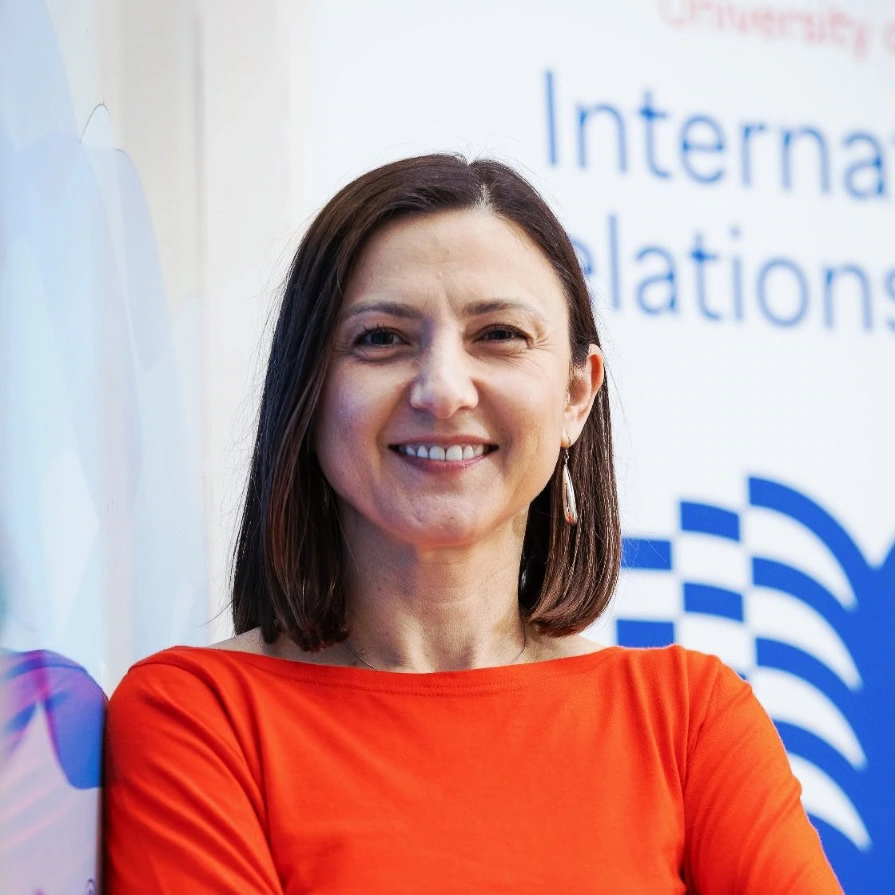
Ana Ćosić
Ana Ćosić is the Head of International Relations Office at University of Split. With almost 20 years of experience in HE, she managed Erasmus+KA1, Erasmus Mundus and contributed to Erasmus+KA2 projects. Her involvement in the SEA-EU alliance as member of the Mobility Expert Group demonstrates commitment to advancing collaborative initiatives. As Croatia’s Erasmus+ ambassador since 2022, Ana has been instrumental in training and mentoring less experienced Erasmus coordinators.
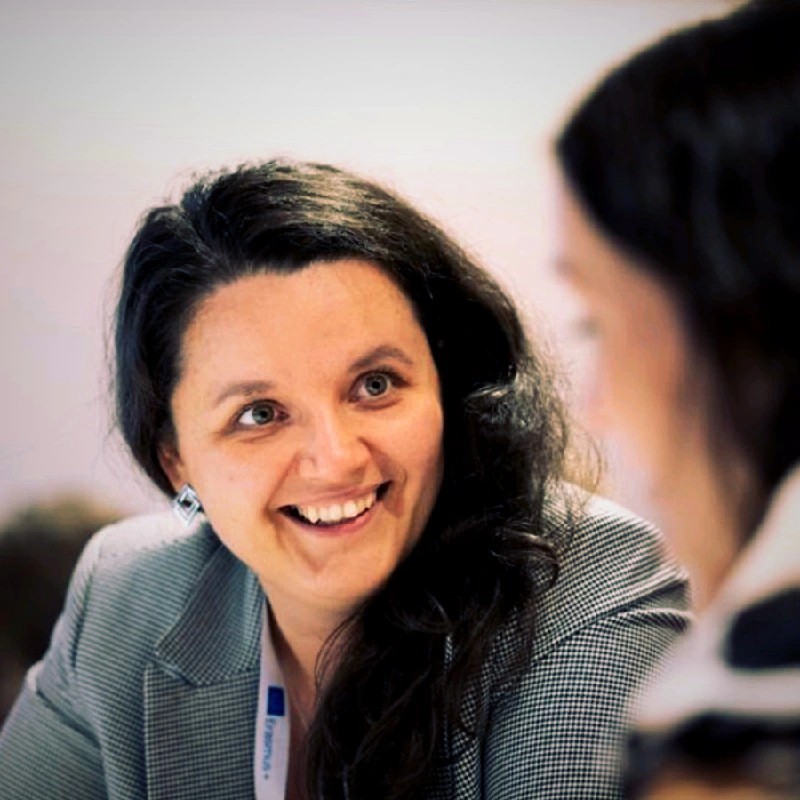
Līga Kuzmane
Since 2014 Līga has worked across the full project lifecycle of Erasmus+ KA2 projects: from proposal development and consortium building to implementation, monitoring and reporting. She currently coordinates the Project Manager and Advisor Community, connecting 600 professionals from nearly 100 universities. Over the past 10+ years, she has designed and facilitated trainings, workshops, and peer-learning spaces for higher education professionals across Europe both onsite and online.
Registration and participation fees
Fees include training delivery, materials, catering during the training days (lunches and coffee- breaks), and on-site social activities and logistics. Travel and accommodation costs are covered by participants.